How Do I Keep My Phone From Ruining Stargazing?
Spending a quiet evening under the vast, dark skies of the Upper Peninsula or Northern Wisconsin is one of those simple pleasures that rejuvenates your spirit. But anyone who’s tried to capture the moment or rely on their phone after sundown quickly learns: bright phone screens and blue light can wreck your night vision — and your entire stargazing experience.
After 12 years of weekend loops around Lake Superior and tucked-away cabin stays near small towns, I’ve learned a few things about pacing a stargazing trip so the phone is an aid — not a distraction or dealbreaker. This guide shares my best dark sky viewing tips to help you avoid bright phone screens, let your eyes adjust, and immerse fully in the night’s spectacle.
Why Phones and Stargazing Don’t Mix
Before we get into the tips, a quick science refresher: your eyes rely on rod cells to see in low light. When you look at a bright phone or tablet screen, the blue light floods your retina and temporarily blinds these night-sensitive cells. It can take 20-30 minutes for your vision to return to full dark adaptation.
This means the moment your phone lights up, you lose the dark-adjusted sight you’ve been patiently developing. One client recently told me learned this lesson the hard way.. For stargazing, that’s the difference between seeing a handful of stars and a dazzling Milky Way tapestry.
Slow Evenings and Flexible Pacing: The Key to Dark Sky Enjoyment
The best stargazing nights aren’t rushed. Unlike urban sightseeing or hiking, which can be squeezed into tight schedules, dark sky experiences need room to breathe — both in time and mindset.
- Start early and settle in: Arriving before sunset helps you acclimate to the quiet small-town rhythms and gives your eyes a head start adjusting.
- Let the night unfold: Avoid packing your itinerary with back-to-back activities that leave no downtime for spontaneous discovery or simply sitting quietly.
- Time your phone use: Use your phone or tablet intentionally — early in the evening for essentials, then stow it away to minimize brightness disruptions.
By slowing down, you let your senses tune into the natural environment, making the eventual dark sky viewing much more magical.
Local Dinners and Regional Food: A Tasty Prelude to Dark Skies
One of my favorite rituals is wrapping up the day with a hearty local dinner that reflects the region’s flavors before heading out to the stars. Small towns around the UP and Northern Wisconsin often have cozy diners or family-run spots serving dishes like:
- Pasties with a generous helping of rutabaga and potatoes
- Fresh whitefish or lake trout from local catches
- Berry-infused desserts showcasing wild blueberries or chokecherries
- Warm corn chowder or venison stew
Eating mindfully at these places also helps you embrace the slow pace needed for a perfect stargazing night. And crucially, it means you’re less likely to impulse-check your phone to find a restaurant last-minute or read reviews — go Click here for more info local, go offline as much as possible.
Small-Town Events and Day-Of Discovery
Small towns often host events you won't find advertised online long in advance. Whether it’s a local farmers’ market, a star party at a regional observatory, or a jam session at the community center, these experiences deepen your connection to place and culture.
My tip? Use your phone or tablet earlier in the day to check small-town event calendars or community Facebook pages but then set it aside. Allow yourself the flexibility to discover things in person — stopping by a bulletin board, chatting with locals, or simply wandering the streets after dark before the stars come out.
Embracing spontaneity improves your trip in several ways:
- Your eyes get more natural adjustment time: Walking around in dim street lighting prepares them for pitch-black countryside skies.
- You soak in authentic regional vibes: Unplanned stops often make the most memorable stories to bring home.
- Less screen time means less blue light exposure: Preserving your night vision for later stargazing.
Stargazing and Dark Skies: Practical Tips to Protect Your Night Vision
Let’s get to the heart of the matter. The goal is to maximize your ability to see the night sky’s wonders without your phone glowing like a flashlight in your face. Here are my tried-and-true tips:
Tip Description Why It Helps Use Red Light Mode Many phones and tablets offer a red light or night mode filter apps you can enable. Red light minimally impacts rod cell sensitivity, preserving night vision. Dim Your Screen Brightness Manually lower brightness as far as possible before using your device outdoors. Lower intensity means less blue light and glare interrupting eye adjustment. Activate Dark Mode Switch apps and system UI to dark backgrounds with white or muted text. Reduces total light output and prevents harsh white backgrounds from blinding you. Minimize On-Screen Use Use your phone only for essential tasks like navigating before stargazing. Less exposure means quicker return to optimal night vision once device is put away. Use a Physical Red Filter DIY or buy inexpensive red cellophane to tape over your phone or flashlight. Further reduces brightness and blue wavelength, preserving dark adaptation. Let Your Eyes Adjust Without Screens Avoid looking at any artificial light, including tablets, for 20-30 minutes before stargazing. Gives your eyes full time to enter dark-adapted mode, revealing fainter stars.Extra pro tip:
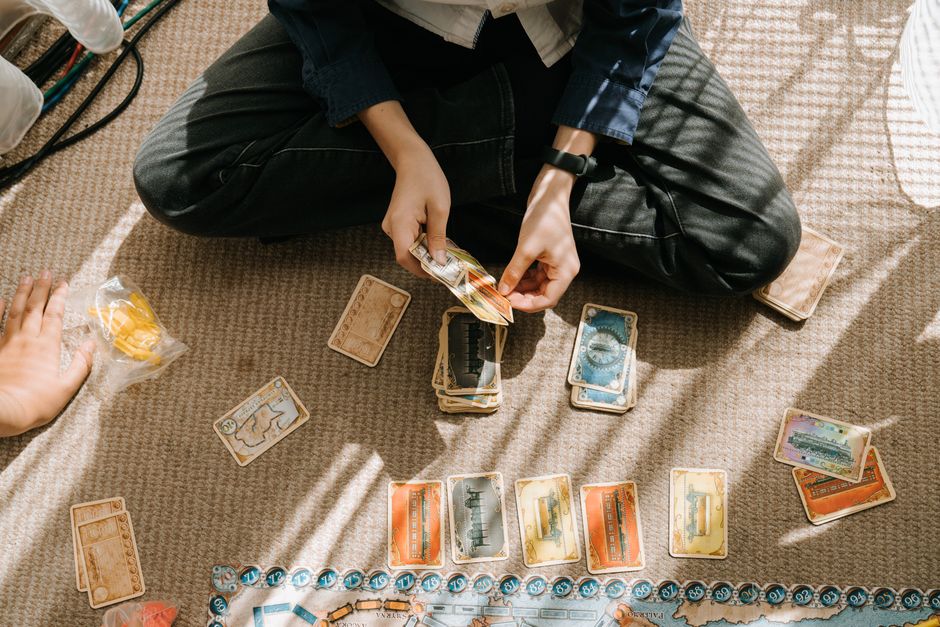
Pack a tiny deck of cards or other low-light entertainment. I always bring one even for one-night stays. It gives you something tactile and social local fish fry UP to do with friends or family without pulling out a glowing screen.
What About Cell Service? A Reality Check
It’s no secret that much of the best stargazing spots are far from reliable cell coverage. If you rely too heavily on GPS or streaming weather apps, you’ll often find yourself frustrated or forced to turn on your phone screen repeatedly to hunt for signal.
Instead, plan ahead:
- Download offline maps and star charts: Several apps let you cache data or function entirely in airplane mode after initial setup.
- Check weather forecasts before you leave town: Avoid last-minute status checks when you’re already by the lake or in the woods.
- Set clear goals for phone use: Use it sparingly, keep brightness low, and avoid the temptation to stream or browse.
This mindset will save your night vision and reduce stress about connectivity.
Summary: Building Your Perfect Stargazing Phone Routine
- Arrive before dark to let your eyes and mind settle into a slower rhythm.
- Enjoy local meals and small-town charm early in the evening with minimal screen distractions.
- Limit phone/tablet use once it’s fully dark; rely on red light filters and dim settings.
- Give your eyes 20-30 minutes without any screen exposure before gazing upward.
- Embrace offline maps, downloaded content, and low-tech entertainment like cards.
- Respect the realities of cell service in remote areas to avoid unnecessary screen time hunting for bars.
When you organize your evening around these principals, your phone becomes a helpful companion — not a stargazing spoiler. After all, the stars don’t wait on notifications, and neither should you.
Your Next Steps
If you’re headed on a stargazing trip soon, try out these tips on your first night out and see how much clearer and more magical the sky appears. And if you want regional inspiration, keep an eye on my blog for upcoming guides on the best dark-sky parks, small-town events, and hidden cabin gems around the Upper Peninsula and Northern Wisconsin.
Here’s to slow evenings, flexible adventures, and skywatching in the purest darkness.
Ready to disconnect and look up? Pack your deck of cards, some warm clothes, and your favorite snacks — the stars await.